
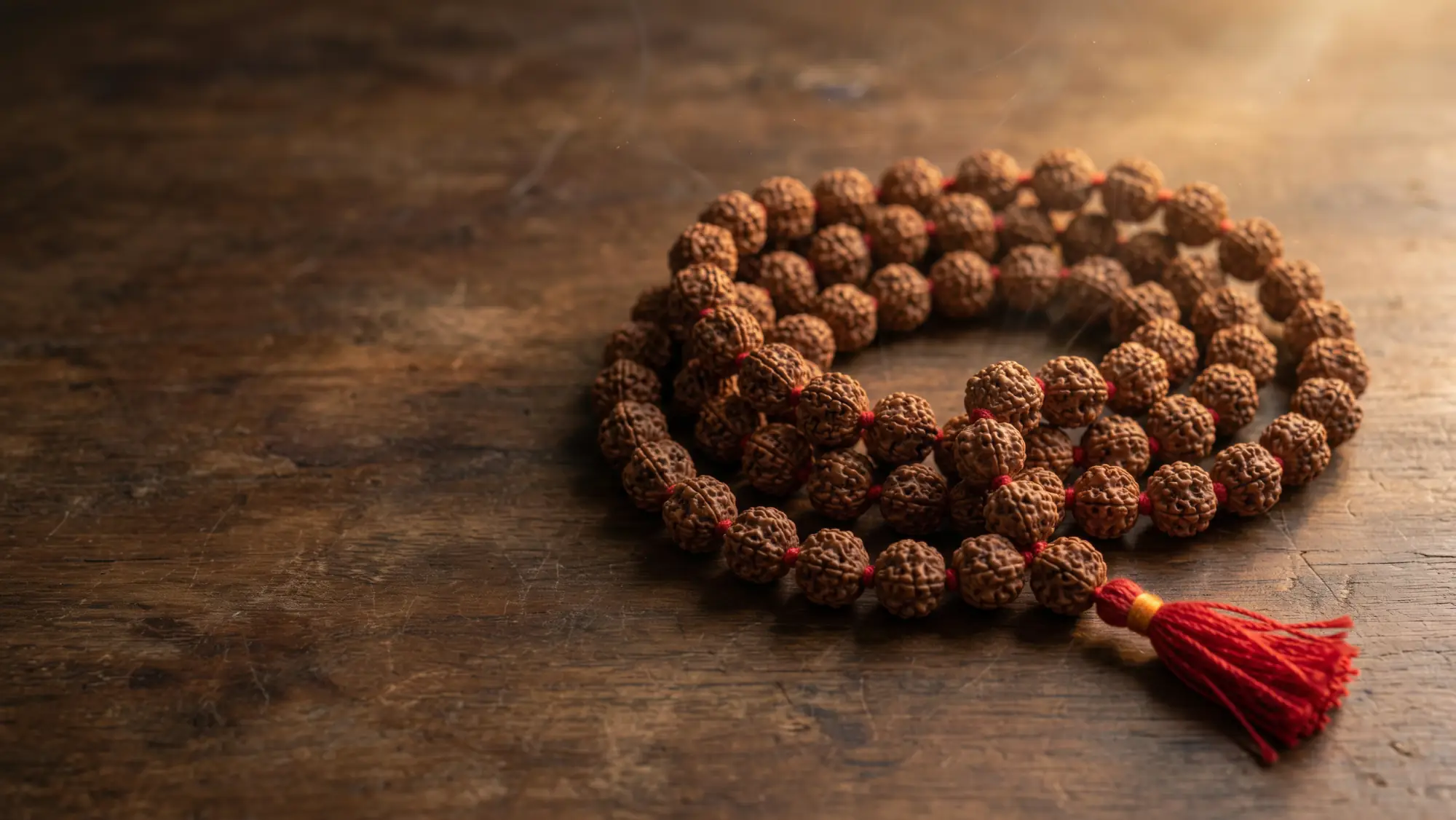
Japa keeps the count quietly, so your heart can rest in the chanting.
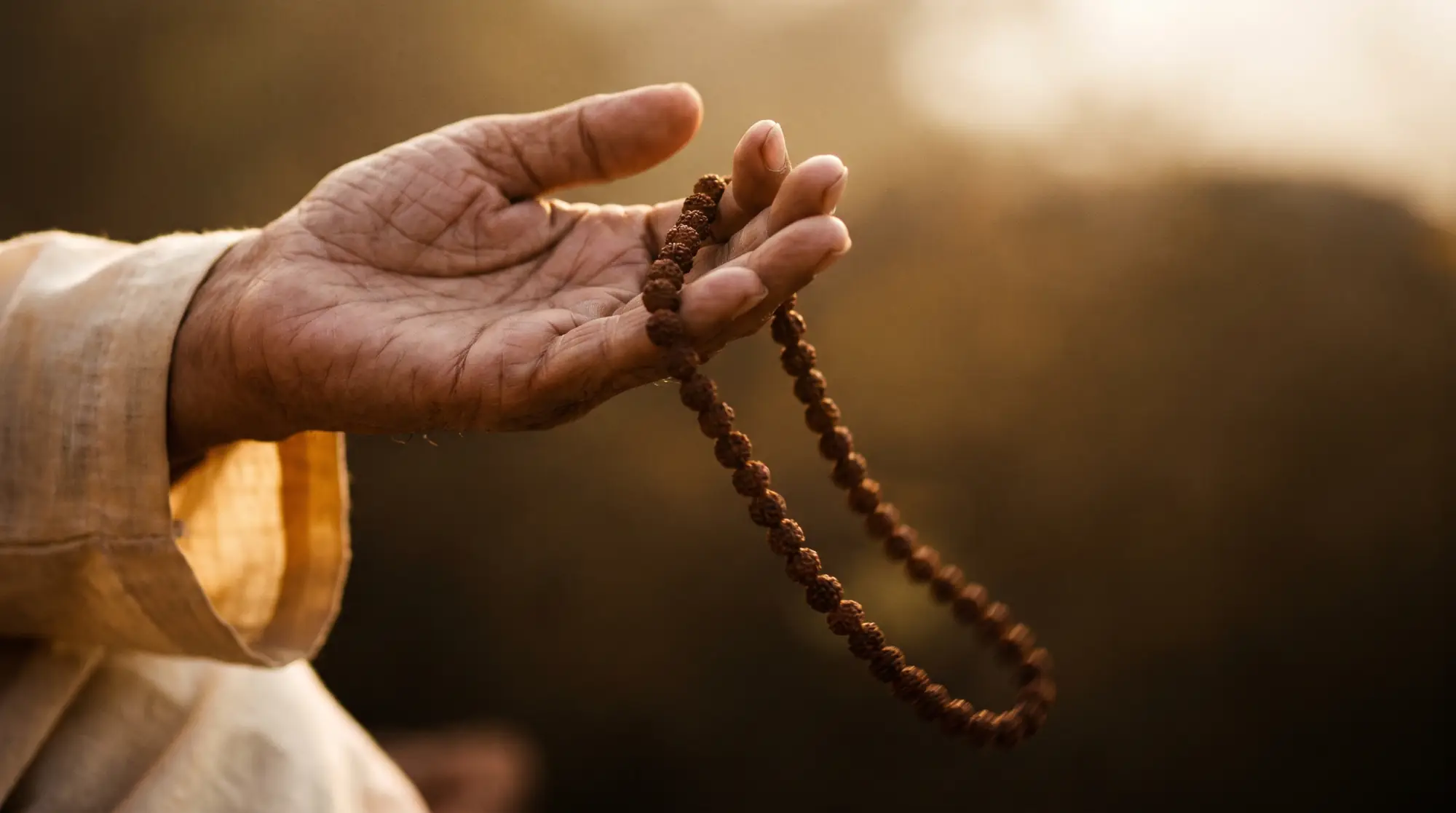
Why counting gets in the way. You sit to chant with a full heart. The Name begins to carry you. Then a small question arrives. Was that bead forty-one, or forty-two? And the mind has left the Name to check a number.
Teach Japa your mantra once, in your own voice. Then close your eyes and chant as you always do. Each time the mantra comes round, a soft buzz lets you know, and the count moves on by itself.
हरे कृष्ण हरे कृष्ण कृष्ण कृष्ण हरे हरे
Hare Krishna Hare Krishna Krishna Krishna Hare Hare
हरे राम हरे राम राम राम हरे हरे
Hare Rama Hare Rama Rama Rama Hare Hare
Mala 1, chant 47 of 108
An illustration. Nothing on this page listens. In the app, Japa hears your voice on your iPhone and never records it.

Japa learns the sound of any mantra, in any language. Choose one below to hear it, and watch the count follow along.
हरे कृष्ण हरे कृष्ण कृष्ण कृष्ण हरे हरे
Hare Krishna Hare Krishna Krishna Krishna Hare Hare
हरे राम हरे राम राम राम हरे हरे
Hare Rama Hare Rama Rama Rama Hare Hare
Sound plays only when you choose it. On this page the count follows the recording. In the app, it follows you.

Nothing to hold.
Nothing to keep track of.
Only the Name, your breath, and the quiet in between.
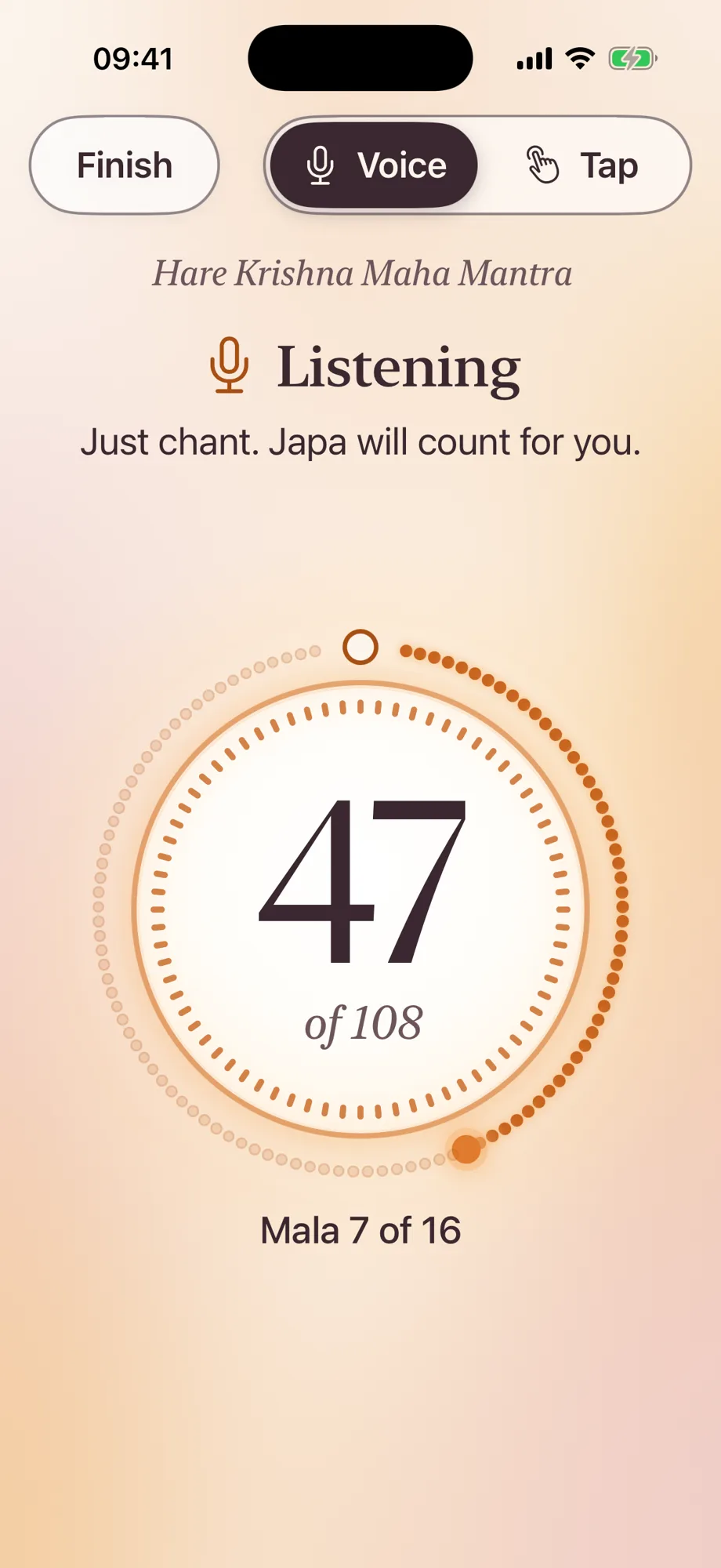
Voice or tap
Chant aloud and Japa counts by voice. In a loud room, tap for each chant instead.
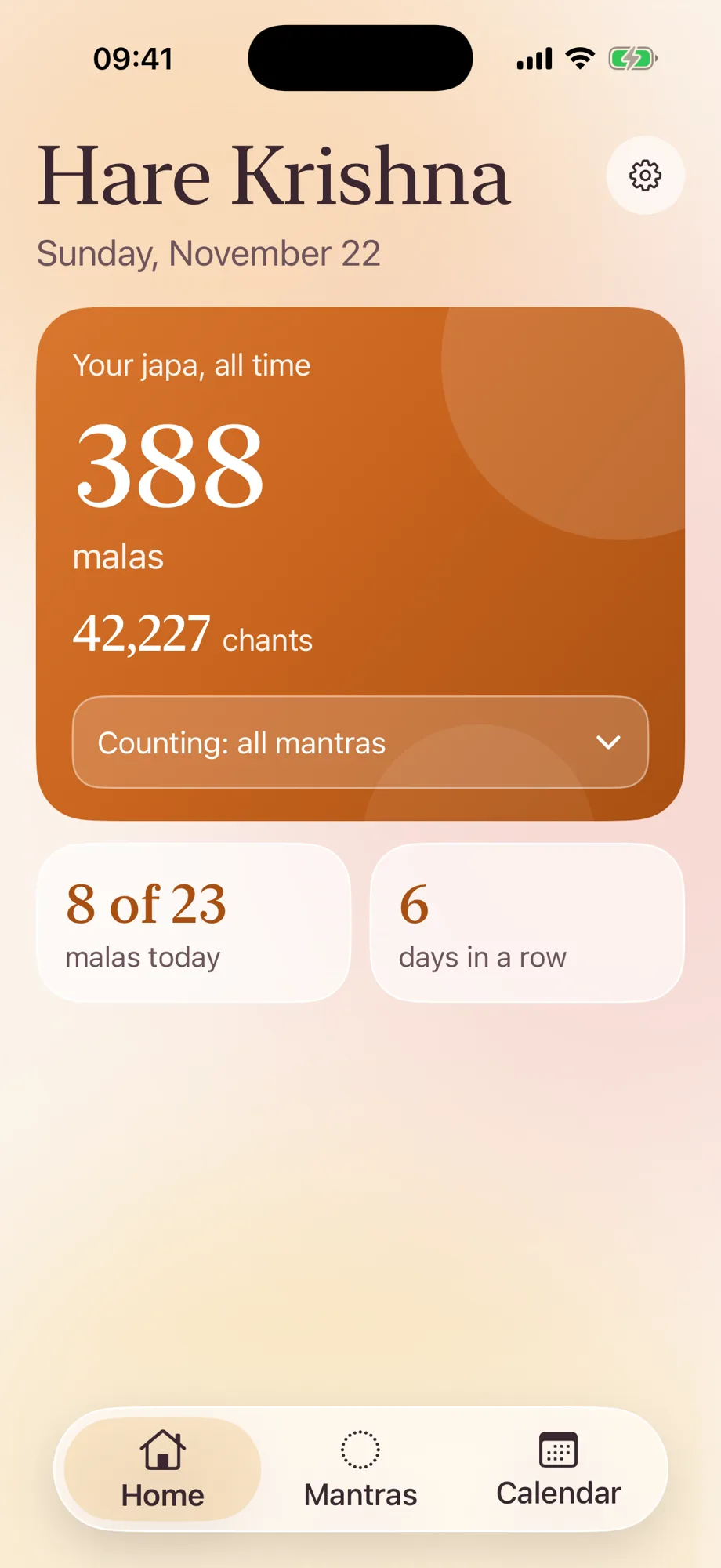
Every mala ever chanted
Your malas, your chants, your days in a row, kept gently.
Offline and private
No account, no internet. Your voice never leaves your iPhone.
Big, calm text
Made for elders. Works with the largest text size.
यज्ञानां जपयज्ञोऽस्मि
yajñānāṁ japa-yajño ’smi
Among offerings, I am the quiet offering of japa.
The mala is one of the oldest prayer tools in the world. Here are a few things devotees have passed down about it.
“Japa” means a low, murmured prayer.
The Sanskrit root jap means “to say in a low voice, to whisper or murmur”, especially prayers. The word already appears in Vedic texts.
“Mala” means garland.
A japa mala is a “garland for japa”: a string of beads for counting the Name.
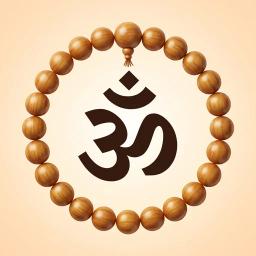
A mala has 108 beads, plus one more.
The extra bead, called the meru, sumeru or guru bead, sits at the head of the mala and is not counted.
Why 108? There are many traditional answers.
Hindus often point to the 108 Upanishads in one classic list, and the many hymns of 108 names of a deity. Some Buddhist schools count 108 afflictions of the mind. These are traditions of meaning, not science.
You don’t cross the meru.
When you reach the guru bead, you turn the mala around and chant the next round the other way.
In many traditions, the index finger stays off the beads.
Devotees often move the beads with the thumb and middle finger. The index finger is said to stand for ego, so it is kept aside. Customs vary: some lineages use other fingers, and Buddhists often use the left hand.

Japa is for iPhone. Everything is free for 30 days. Then it is $7.99 a year.
Download on theApp Store